
Navigating the National Disability Insurance Scheme can feel overwhelming without expert help. Level 3 or specialist support coordination offers intensive guidance for people facing complex support needs. This service connects people with essential providers and coordinates complex systems.
It transforms lives by turning support plans into real, meaningful outcomes. Many participants discover that dedicated expert support makes a genuine difference. The gap between struggling to access services and thriving becomes clear quickly.
When circumstances involve multiple systems or high-risk factors, professional coordination becomes essential. That’s where level 3 support coordination enters the picture. It represents the highest-intensity support available to eligible participants.
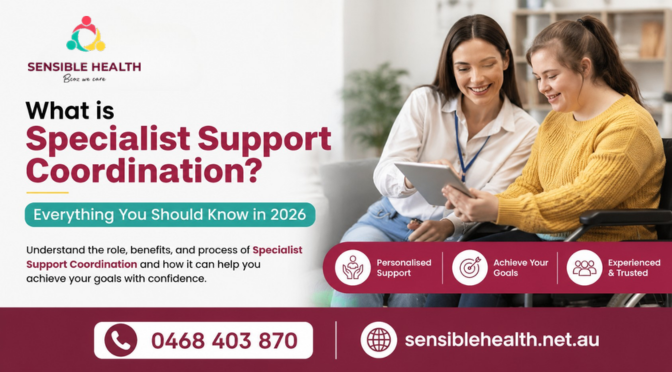
What is Specialist Support Coordination?
Specialist support coordination is the highest tier of NDIS support coordination available. It’s designed for participants facing genuinely complex circumstances. The intensive coordination service requires expert oversight and advanced qualifications.
Coordinators at this level provide expert navigation for multiple challenges. They manage situations involving numerous providers, systemic barriers, and safety concerns. Their deep knowledge of complex risk factors proves essential.
This level of support differs fundamentally from standard coordination approaches. It requires specialists trained in managing high-complexity situations effectively. Level 3 support coordination represents this exact service – another name for the identical framework.
Core Functions
- Plan implementation: Translating NDIS plans into practical support actions
- Multi-system coordination: Managing health, justice, housing, or child protection services
- Risk management: Identifying and addressing potential safety concerns
- Crisis response: Providing expert intervention during unstable situations
- Advocacy support: Representing participant interests across service systems
Who Needs Specialist Support Coordination?
Level 3 support coordination suits participants facing complex support situations. These individuals typically experience multiple concurrent challenges requiring expert coordination. Common scenarios include:
- Transitioning between institutional and community living
- Managing multiple providers simultaneously across different systems
- Navigating unstable housing combined with health complexities
- Coordinating supports after justice system involvement or hospitalisation
- Managing significant behavioural or mental health needs
Why Reliable Support Coordination Matters
Reliable support coordination of level 3 creates predictable, consistent support networks. Participants develop trust with their dedicated coordinator over time. This relationship-based approach proves essential during crises or transitions.
Major Benefits Include
- Reduced system navigation confusion
- Coordinated service delivery across multiple providers
- Early identification and prevention of crises
- Improved health, wellbeing, and community integration
- Enhanced safety and reduced hospitalisation risk
How Service Coordination Works
Coordinators meet with participants regularly to understand individual goals and needs. They develop comprehensive individualised support arrangements aligned with NDIS plans. Sessions address emerging challenges, celebrate progress, and adjust strategies as circumstances evolve. Coordinators act as dedicated advocates throughout the process.
Funding and Qualifications
Specialist support coordination is funded through NDIS Capacity Building budgets. The current hourly rate is $190.54 per hour in metropolitan areas. Qualified coordinators typically hold allied health qualifications or advanced training in community services, psychology, social work, or occupational therapy.
Planning for Your Future
Understanding level 3 support coordination empowers participants to advocate effectively. This service removes barriers preventing people from accessing appropriate support. Quality coordination enables meaningful community participation and greater independence over time.
Why It Matters in 2026
The NDIS continues recognising specialist coordination as essential for complex situations. Support coordination reforms are shaping how services are delivered. Accessing the right level of coordination remains vital for positive outcomes.
Conclusion
Specialist support coordination represents the highest-intensity support within NDIS frameworks. It serves participants facing complex, high-risk circumstances. This service provides expert guidance when standard approaches prove insufficient.
This level of support enables genuine participation, safety, and improved wellbeing. When managing housing instability with health complexities, professional expertise helps significantly. Level 3 support coordination serves as the highest tier for these situations.
Real transformation happens when participants access the right expertise at the right time. Your circumstances, goals, and preferences should shape how support gets delivered. Expert coordinators adapt their approach to individual needs and circumstances.
If you need specialist support coordination services, contact Sensible Health Pty Ltd today.
- ? Phone: 1300 402 503 or 0468 403 870
- ? Email: admin@sensiblehealth.net.au
- ? Website: https://www.sensiblehealth.net.au/
Take control of your support journey with professional guidance.
Frequently Asked Questions
1. Are specialist support coordination and level 3 the same thing?
Yes, they are identical services with different names. Both terms refer to the highest tier of NDIS support coordination for complex, high-risk situations.
2. Who qualifies for specialist support coordination services?
Participants with complex needs, multiple service systems involved, high-risk situations, unstable housing, or recent transitions typically qualify for this intensive support.
3. How does this differ from standard support coordination?
Specialist coordinators have advanced qualifications and expertise managing high-complexity situations. They provide intensive, hands-on intervention rather than basic guidance.
4. What’s included in support coordination funding?
Funding covers coordinator time for planning, provider coordination, advocacy, crisis response, and regular check-ins with participants and service systems.
5. Can I access this through my NDIS plan?
Yes, your NDIS plan must specifically include specialist support coordination funding. Request inclusion at planning meetings if your situation requires this level.
6. How much does specialist support coordination cost?
The current rate is $190.54 per hour (standard metro rate). Your NDIS plan covers this cost – there are no out-of-pocket expenses for eligible participants.
7. What qualifications should my specialist coordinator have?
Coordinators should hold relevant allied health qualifications or advanced training in community services, psychology, social work, or occupational therapy.
8. How long does specialist support coordination typically last?
Coordination is usually time-limited and outcome-focused, aiming to stabilise situations and transition participants to lower-intensity support when appropriate.
9. What happens if I need coordinator support outside business hours?
Availability depends on your coordinator and service agreement. Discuss emergency protocols and contact procedures during your initial planning meeting.
10. How do I find a qualified specialist support coordinator?
Your NDIS planner can connect you with registered providers offering level 3 coordination. You choose your preferred coordinator from available options.